 En
En  Ar
Ar 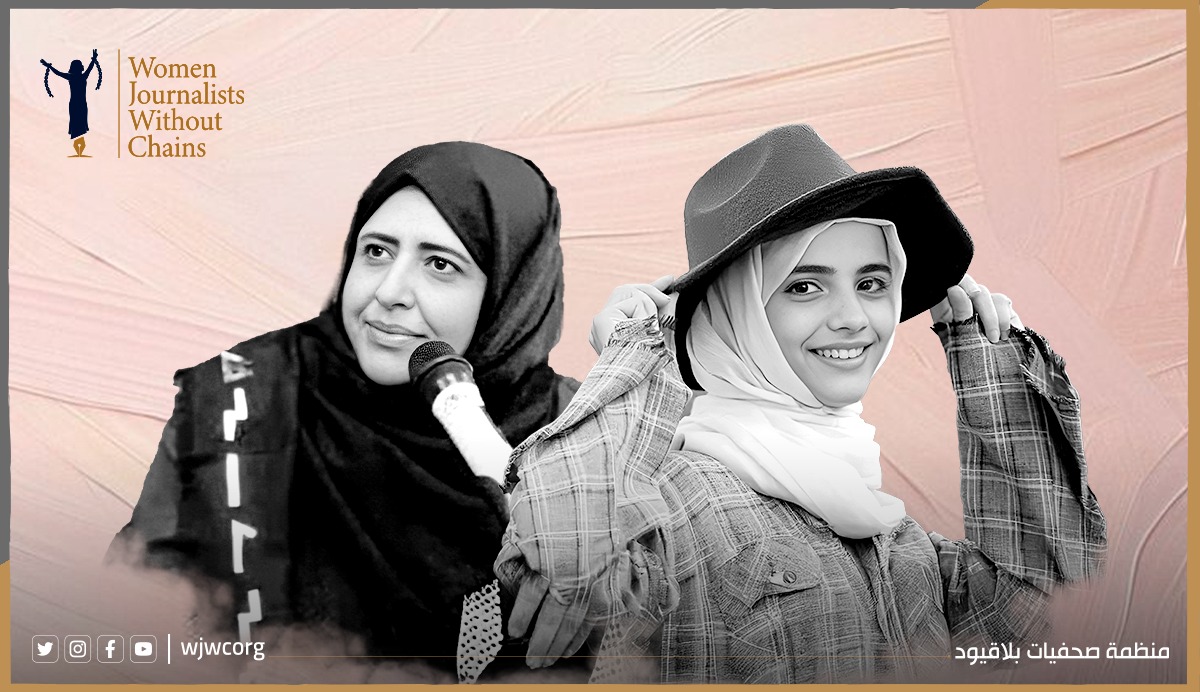
The Houthi militia continues to impose an escalating pattern of repression against women in areas under its control through abductions, enforced disappearances, torture, and other forms of cruel and degrading treatment.
These violations reflect a deliberate strategy to silence dissent, intimidate communities, and consolidate authority through fear. The cases of academic Ashwaq al-Shamiri and activist Alia al-Mihhal underscore a widening campaign of gender-based persecution that places women at heightened risk and erodes fundamental protections guaranteed under international law.
Documented field information indicates that Houthi forces abducted academic Ashwaq Suleiman Qaed al-Shamiri at dawn on November 25, 2025, following a raid on her residence in the Andalus neighborhood of Sana’a. Armed personnel reportedly arrived in military vehicles, entered the home without judicial authorization, and forcibly removed her in front of her family after subjecting them to intimidation and threats. Since her abduction, authorities have refused to acknowledge her detention or disclose her whereabouts. Her case meets the legal definition of enforced disappearance and constitutes a serious violation of the right to liberty and personal security. More than three months later, her family remains denied information regarding her condition or access to communication, leaving her safety and well-being in grave jeopardy.
A similar pattern is evident in the case of activist Alia al-Mihhal, who was abducted from her home in Sana’a at dawn on December 15, 2025. Al-Mihhal had previously been arbitrarily detained in September 2025 after publicly demanding accountability for the killing of her child. Although she was released without charge, she was later re-arrested and transferred to an undisclosed detention location. Credible reports indicate that during her current detention she has been subjected to physical abuse, psychological coercion, and other forms of ill-treatment, resulting in a noticeable deterioration in her health. Authorities have imposed strict restrictions on family visits and communication, intensifying concerns about her safety. Such treatment constitutes a serious breach of international human rights standards and is unequivocally prohibited under international law.
These cases are not isolated incidents but rather part of a broader pattern of systematic violations carried out against women and civilians in Houthi-controlled areas. Available documentation indicates that these abuses are conducted in a coordinated and repeated manner. Under Article 7 of the Rome Statute of the International Criminal Court, acts such as arbitrary detention, enforced disappearance, torture, and extrajudicial killings may constitute crimes against humanity when committed as part of a widespread or systematic attack directed against a civilian population. The killing of Dr. Wafaa Sarhan in January inside her home in the Al-Asilah area of Shar’ab As-Salam district by armed individuals affiliated with the group reflects the continuing escalation of violence targeting women.
The treatment of women in Houthi-controlled territories reveals a deeply entrenched pattern of repression that has intensified in recent months. Women, including activists, journalists, academics, lawyers, and human rights defenders, have faced increasing harassment, abduction, torture, and politically motivated persecution. These practices violate Yemen’s obligations under international human rights treaties, including the International Covenant on Civil and Political Rights, the Convention against Torture, and the International Convention for the Protection of All Persons from Enforced Disappearance. When carried out systematically, such violations may rise to the level of crimes against humanity under international legal standards.
These abuses demonstrate a disregard for human dignity and a clear breach of international legal obligations. Houthi authorities bear full responsibility for violations committed in territories under their effective control. The continuation of these practices has contributed to an environment in which grave abuses occur with little accountability, threatening social stability, undermining civilian protection, and weakening prospects for sustainable peace.
Urgent and coordinated international action is required. Influential governments, the United Nations, and relevant international accountability mechanisms should take immediate steps to secure the unconditional release of Ashwaq al-Shamiri and Alia al-Mihhal. Authorities must be compelled to disclose their places of detention, guarantee their physical and psychological safety, and cease the targeting of women through arbitrary detention, enforced disappearance, and torture. An independent and transparent international investigation remains essential to ensure accountability for those responsible and to prevent further violations.
Protecting women and civilians in Yemen is both a legal duty and a moral imperative. Sustained international engagement is necessary to uphold international law, ensure justice for victims, and confront the climate of impunity that continues to enable serious human rights abuses.
Released by:
Women Journalists Without Chains
February 12, 2026