 En
En  Ar
Ar 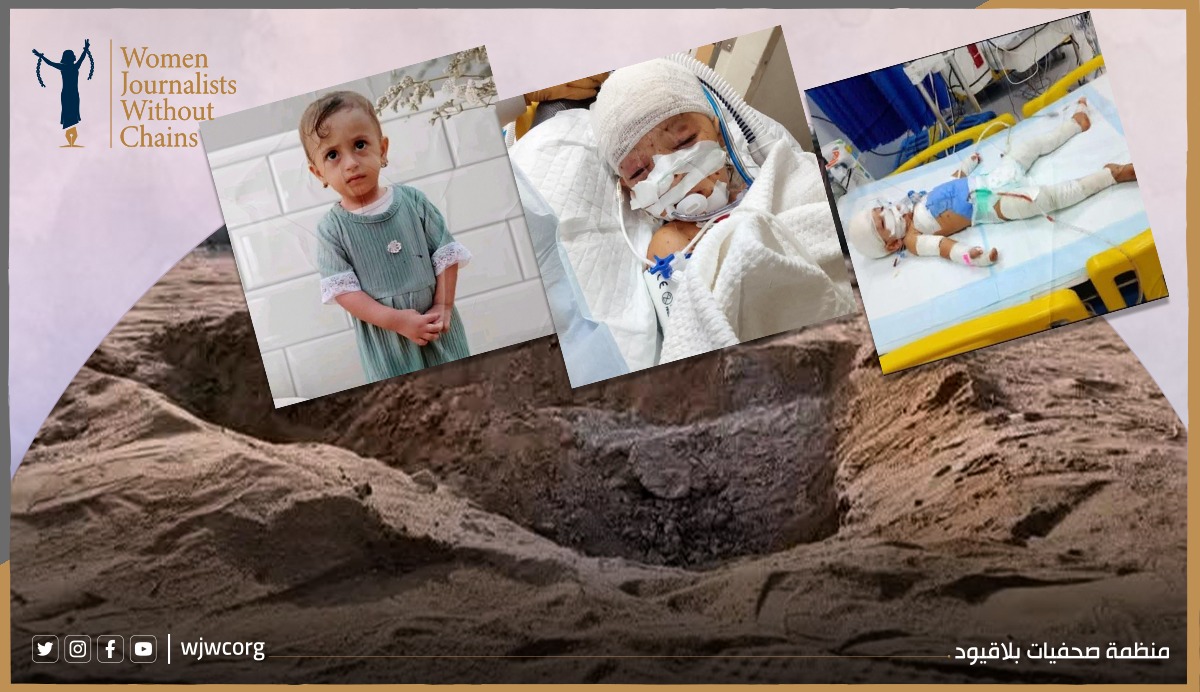
Hajjah – March 2026 – A missile strike on a civilian gathering in northern Hajjah governorate on 15 March 2026 killed and injured nearly 30 people,
most of them children, after it struck a residential courtyard where families had assembled to break their Ramadan fast. The attack, which hit a clearly civilian setting at a time of communal gathering, raises grave concerns under international humanitarian law and reflects a continuing pattern of harm to civilians in Yemen’s armed conflict.
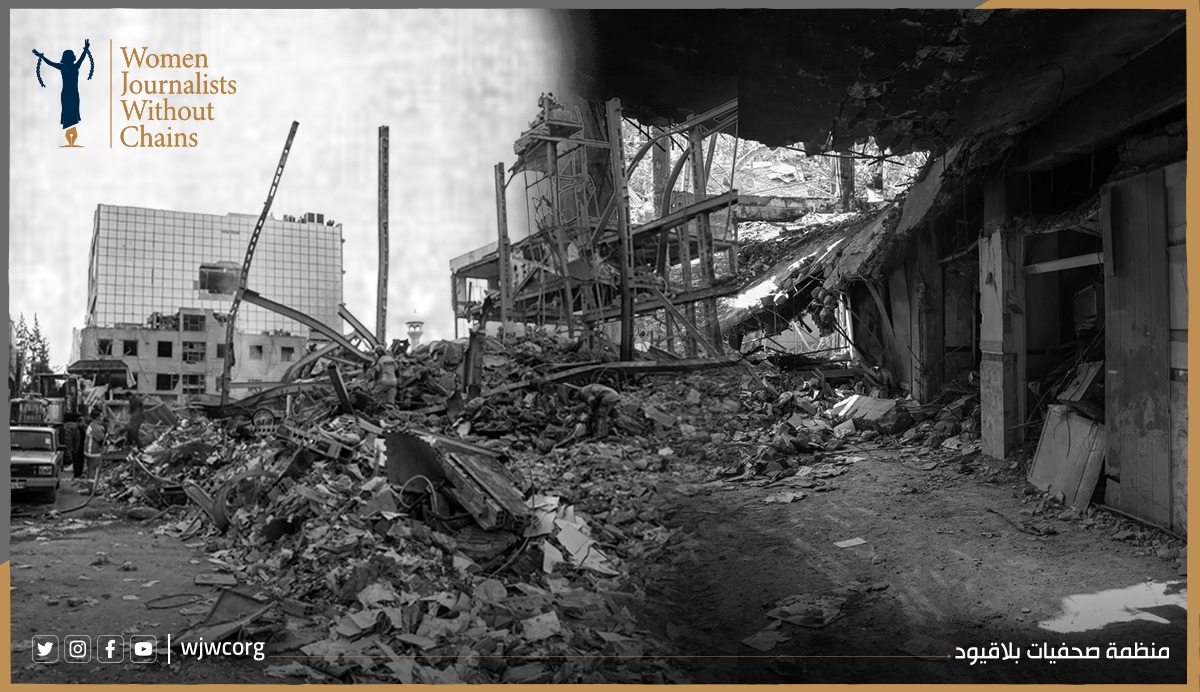
According to field information and corroborated local testimonies, the strike directly hit the home of a civilian resident in the Al-Deir area of Hairan district, where families had gathered for an iftar meal. The explosion caused widespread destruction, with shrapnel dispersing across the courtyard and into surrounding homes. At least 13 civilians were killed and approximately 17 others were injured, many of them critically.
Initial identification of victims confirms the presence of entire families among the casualties, including young children. Among the injured are toddlers and minors receiving intensive medical care. Documentation from the aftermath shows clear indicators of a civilian environment, including household items, food remains, and extensive damage to residential structures, underscoring the absence of any apparent military objective at the site.
The humanitarian impact of the attack is severe and enduring. Families have been devastated, with survivors facing long-term physical injuries and profound psychological trauma. In one case, a mother lost both her husband and child in the strike while another child remains in critical condition. Such incidents illustrate the deep and lasting disruption inflicted on family structures and community life.
This attack is not an isolated incident. On 12 March 2026, three children were killed and a fourth seriously injured when a landmine detonated in the village of Makhshoush in Abs district, also in Hajjah governorate, as they were tending livestock. Local sources reported that the device detonated in two successive explosions, suggesting a design intended to maximize harm. The injured child continues to receive medical treatment.
The repeated use of explosive weapons in populated areas, as well as the deployment of landmines in civilian environments, has created a pervasive climate of insecurity for residents. These practices have contributed to recurring civilian casualties and have severely restricted safe movement, access to livelihoods, and basic daily activities.
These incidents amount to serious violations of international humanitarian law. Parties to an armed conflict are legally obligated to distinguish at all times between civilians and combatants and to refrain from directing attacks against civilians or civilian objects. The use of explosive weapons with wide-area effects in densely populated areas raises acute concerns regarding indiscriminate and disproportionate attacks, in violation of the principles of distinction, proportionality, and precaution.
The available evidence indicates that the strike on the iftar gathering was carried out with disregard for the civilian character of the location and the foreseeable risk of mass casualties. Intentionally directing attacks against civilians, or conducting attacks in a manner that fails to distinguish between civilian and military targets, constitutes a war crime under Article 8 of the Rome Statute of the International Criminal Court.
The recurrence of such incidents, including both missile strikes and landmine explosions affecting civilians, points to a broader pattern of conduct that may amount to widespread or systematic attacks against a civilian population. In the absence of accountability, these violations risk entrenching a cycle of impunity and further exposing civilians to harm.
Immediate and concrete action is required. All parties to the conflict must cease attacks that directly or indiscriminately target civilians and must comply fully with their obligations under international humanitarian law. Authorities must ensure the protection of civilian populations and take effective measures to prevent further violations.
The international community, including the United Nations and relevant human rights mechanisms, should urgently support the establishment of independent, impartial, and transparent investigations into these incidents, with a view to identifying those responsible, including individuals in positions of command, and ensuring that they are held accountable in accordance with international legal standards.
At the same time, urgent steps are needed to address the humanitarian consequences. These include scaling up medical and emergency assistance to the wounded, providing psychosocial support to affected families, accelerating the clearance of landmines and other explosive remnants of war, and ensuring access to safe environments for civilians. Victims and their families must be guaranteed their right to an effective remedy, including full and adequate reparations.
Failure to ensure accountability for such grave violations not only denies justice to victims but also risks encouraging further unlawful attacks. The protection of civilians is not discretionary; it is a binding legal obligation. Ensuring compliance with this obligation requires sustained, coordinated, and decisive international engagement to end ongoing violations and uphold the rule of law.
Released by:
Women Journalists Without Chains
March 19, 2026