 En
En  Ar
Ar Morocco: Arrest of France-Based Activist Signals Escalating Suppression of Online Expression
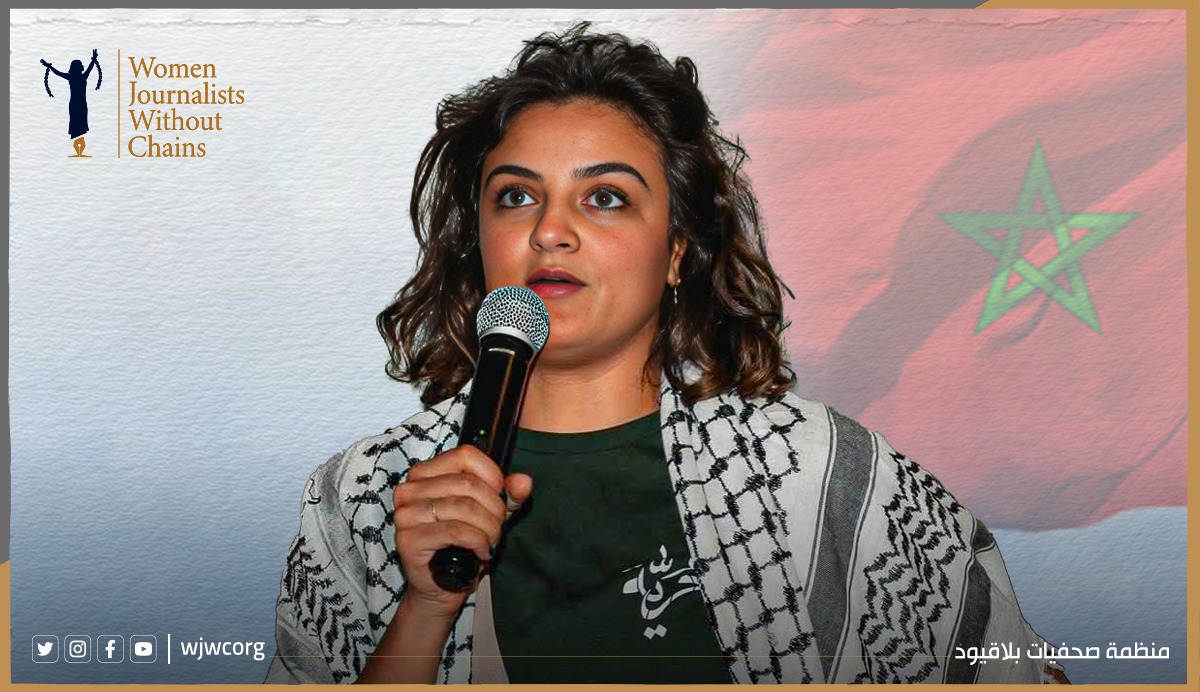
The arrest of France-based activist Zineb El Kharroubi upon her arrival at Marrakech airport on February 12, 2026, marks a troubling escalation in the targeting of peaceful expression and digital activism in Morocco.
Detaining an activist in connection with online speech reflects an increasingly restrictive environment for civil society actors and raises urgent concerns regarding respect for fundamental rights and the rule of law.
According to testimonies from human rights defenders and legal representatives, authorities placed El Kharroubi in police custody immediately following her arrival before transferring her to the headquarters of the National Judicial Police Brigade in Casablanca. The arrest reportedly stems from social media posts linked to the GenZ212 protest movement. Prosecutors have filed accusations of defamation, insult, and online incitement—charges frequently invoked in recent years to prosecute individuals engaged in peaceful advocacy and public commentary on social and human rights issues.
El Kharroubi’s detention occurs within a broader pattern of intensified measures against activists and youth movements following the emergence of the GenZ212 protests. Authorities have carried out mass arrests and imposed severe sentences against young demonstrators and digital campaigners, indicating a sustained effort to suppress dissenting voices and curtail public debate on social and governance issues.
Prosecuting El Kharroubi for expressing her views appears inconsistent with constitutional protections and Morocco’s binding international obligations. Article 25 of the Moroccan Constitution guarantees freedom of thought, expression, and opinion in all forms. Additionally, Morocco is a State Party to the International Covenant on Civil and Political Rights, which protects the right to freedom of expression under Article 19 and prohibits arbitrary arrest or detention under Article 9. Criminal penalties imposed for peaceful online expression, particularly when based on vague or overly broad legal provisions, fail to meet the strict necessity and proportionality standards required under international human rights law.
The referral of Kharroubi’s case to trial scheduled for February 26 further heightens concerns regarding fair trial guarantees. The proceedings are unfolding amid an open-ended strike by members of the legal profession that began on February 6, raising serious questions about the effective availability of legal representation and the accused’s ability to exercise the right to adequate defense.
International fair trial standards, including those articulated in Article 14 of the International Covenant on Civil and Political Rights, require that defendants have timely and meaningful access to legal counsel and adequate time and facilities to prepare their defense. Any proceedings conducted under conditions that undermine these safeguards risk violating fundamental due process rights.
The circumstances of El Kharroubi’s arrest also carry broader implications for civic space. Detaining an activist immediately upon her return from abroad based on her political views or online expression sends a message of intimidation that extends beyond national borders. Such actions risk fostering a climate of fear among activists, journalists, and human rights defenders operating both domestically and within diaspora communities. Expanding punitive measures to include digital expression further signals a widening scope of repression targeting peaceful political engagement.
Moroccan authorities must immediately and unconditionally release Zineb El Kharroubi and drop all charges related to the peaceful exercise of her right to freedom of expression. Authorities should also cease the use of criminal legislation to target members of the GenZ212 protest movement and other human rights defenders. The government must ensure full respect for freedoms of expression, association, and peaceful assembly in accordance with constitutional guarantees and international treaty commitments.
Should judicial proceedings continue, authorities must guarantee that the process complies fully with international fair trial standards, including unrestricted access to legal counsel, the presumption of innocence, and the right to a public hearing before an independent and impartial tribunal. Moroccan authorities also bear full responsibility for ensuring El Kharroubi’s safety, dignity, and physical and psychological well-being while under state custody.
The international community, including United Nations mechanisms concerned with the protection of freedom of expression and human rights defenders, should closely monitor this case and engage with Moroccan authorities to ensure compliance with international standards. Sustained international scrutiny remains essential to safeguarding civic space and protecting individuals targeted for peaceful advocacy.
The continued use of arbitrary arrest and prosecution against young activists, feminist voices, and human rights defenders risks deepening Morocco’s crisis of public trust in state institutions and the justice system. Reversing this trajectory requires urgent reforms to laws and practices that restrict civic freedoms and a clear commitment to protecting open, inclusive public discourse.
______________________
Released by:
Women Journalists Without Chains
February 13, 2026
Author’s Posts
-
Death of Palestinian Paramedic in Israeli Detention Draws Strong Condemnation Over Systematic Abuse of Detainees and Medical Workers
Tunisia: Detention and Terrorism Charges Against Lawyer Signal Dangerous Assault on Judicial Independence
Morocco: Arrest of France-Based Activist Signals Escalating Suppression of Online Expression
صحفيات بلا قيود: استشهاد مسعف فلسطيني في سجون الاحتلال يكشف نمطاً ممنهجاً لقتل المعتقلين
Fear as Policy: Systematic Violations Against Women in Houthi-Controlled Areas
Related Articles