 En
En  Ar
Ar Tunisia: Detention and Terrorism Charges Against Lawyer Signal Dangerous Assault on Judicial Independence
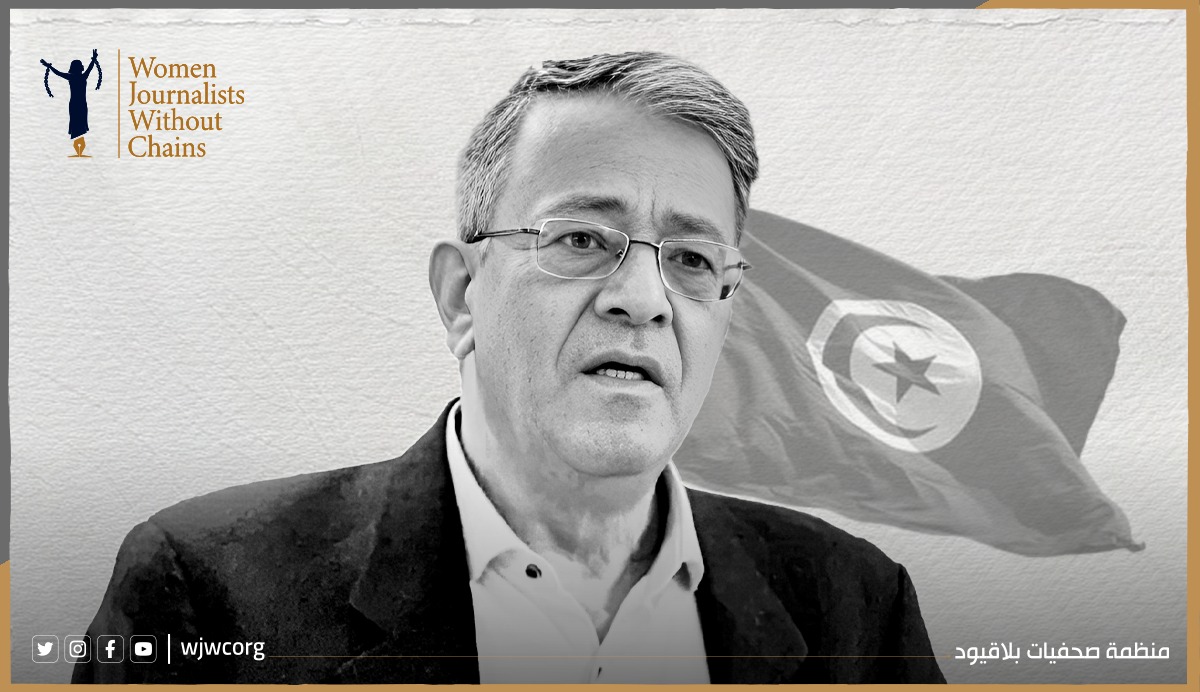
The continued detention of lawyer and human rights defender Ahmed Souab, alongside appeal proceedings held on February 12, 2026, on terrorism‑related charges linked to statements made in the course of his professional duties,
marks a serious escalation in the targeting of legal professionals in Tunisia. Prosecuting a lawyer for professional arguments and public commentary on judicial integrity directly violates due process and undermines judicial independence.
Authorities pursued charges against Souab based on remarks delivered in the context of legal advocacy and criticism of alleged pressure on members of the judiciary. Prosecutors invoked counter‑terrorism and cybercrime legislation, reflecting a growing trend of using broadly framed security laws to criminalize legitimate legal work and silence dissent. Statements made during professional representation fall squarely within protected expression under Tunisia’s Constitution and international standards safeguarding freedom of expression and the right to defense.
Reports indicate that a counter‑terrorism court sentenced Souab to five years’ imprisonment, plus three years of administrative probation, following proceedings that lasted only minutes. The hearing was conducted remotely, journalists were barred from attending, and Souab refused to participate via video conference in protest against the absence of fair trial safeguards. Such practices violate the right to a fair and public hearing, effective communication with counsel, and judicial transparency.
The charges brought against Souab—including allegations of forming a terrorist group, supporting terrorist acts, and spreading false information—appear to rest solely on statements made in the course of legal proceedings. Expanding national security legislation in this way risks transforming counter‑terrorism frameworks into tools to punish lawyers for fulfilling professional obligations. Criminalizing legal advocacy erodes the administration of justice and weakens public confidence in judicial impartiality.
Serious concern also surrounds reports of Souab’s deteriorating health, including heart‑related conditions. Continued detention without adequate medical care may amount to cruel, inhuman, or degrading treatment, in violation of Tunisia’s obligations under the International Covenant on Civil and Political Rights and the African Charter on Human and Peoples’ Rights. Authorities bear responsibility for safeguarding the health and well‑being of all detainees.
Souab’s prosecution forms part of a broader pattern of restrictive measures targeting political opponents, activists, journalists, and lawyers since 2021. The expansion of exceptional governance measures and politically motivated prosecutions has intensified concerns about the instrumentalization of the judiciary to silence critical voices and restrict civic space.
International standards, including the United Nations Basic Principles on the Role of Lawyers, affirm that legal professionals must be able to perform their duties without intimidation, harassment, or improper interference, and must not face prosecution for actions undertaken in accordance with their professional responsibilities. The prosecution of Souab is incompatible with these protections.
Authorities must immediately and unconditionally release Ahmed Souab and drop all charges arising from his legitimate professional activities. Should proceedings continue, authorities must ensure full compliance with international fair trial standards, including public hearings, access to legal counsel, and strict adherence to due process guarantees. Tunisian authorities must also cease the use of counter‑terrorism and vaguely defined criminal provisions to restrict peaceful expression or penalize legal advocacy.
The international community, including United Nations human rights mechanisms and bodies concerned with judicial independence, should closely monitor this case and engage with Tunisian authorities to ensure compliance with international obligations. Targeting lawyers for defending their clients threatens the foundations of justice and undermines the rule of law.
________________________________
Released by:
Women Journalists Without Chains
February 13, 2026
Author’s Posts
-
Death of Palestinian Paramedic in Israeli Detention Draws Strong Condemnation Over Systematic Abuse of Detainees and Medical Workers
Tunisia: Detention and Terrorism Charges Against Lawyer Signal Dangerous Assault on Judicial Independence
Morocco: Arrest of France-Based Activist Signals Escalating Suppression of Online Expression
صحفيات بلا قيود: استشهاد مسعف فلسطيني في سجون الاحتلال يكشف نمطاً ممنهجاً لقتل المعتقلين
Fear as Policy: Systematic Violations Against Women in Houthi-Controlled Areas
Related Articles